“I see… I see…. yes,” I said. “To simplify is to make it hopelessly complex!”
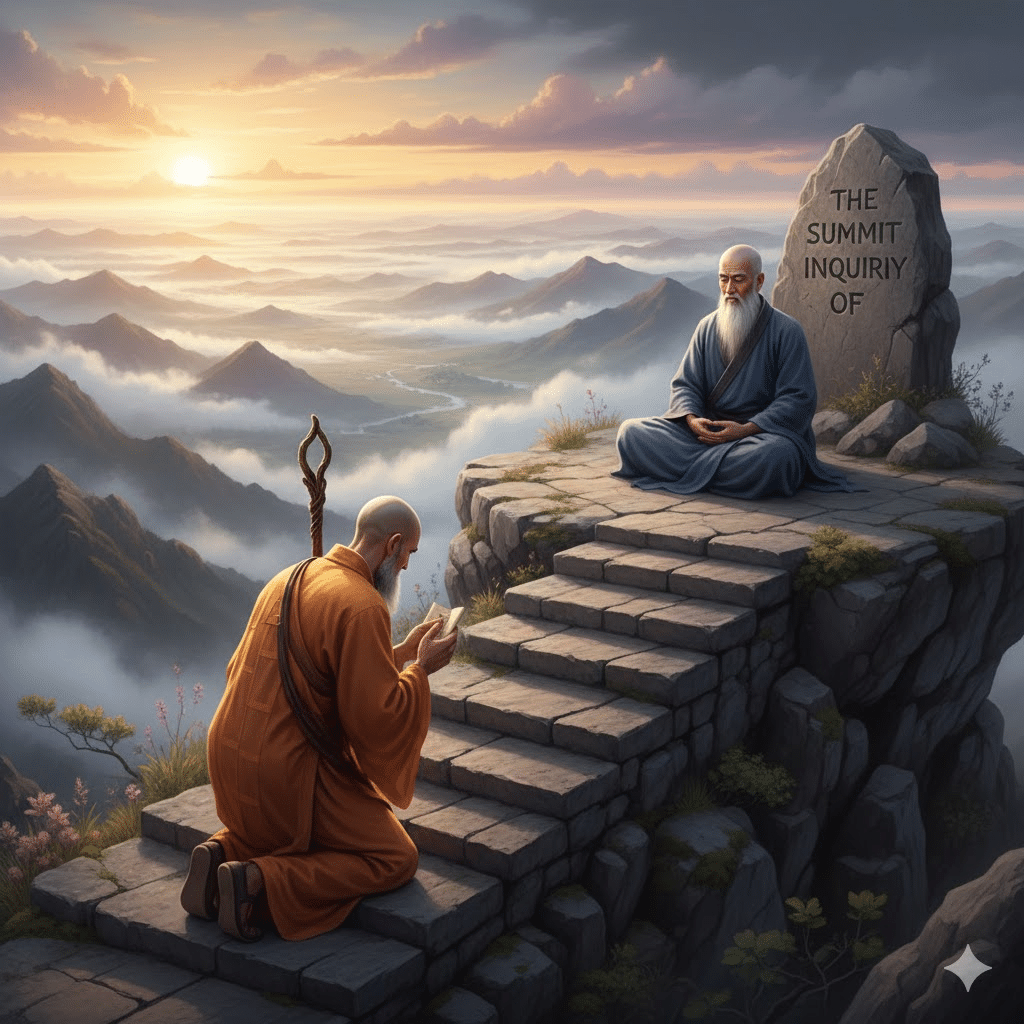
An ancient Zen story tells how one day, a monk disciple came upon his Zen teacher
and asked: “How master may I come to perceive my Buddha Nature?”
The master responded,
“You cannot perceive your Buddha Nature because that which perceives
is your Buddha Nature.”
The Great Perfection method is one in which the teacher
directly introduces the student to his own awareness through a descriptive
“pointing out”
that focuses the mind on its most essential nature directly and abruptly.
If executed properly
the student has at minimum a glimpse of the enlightened state.
The student is then instructed to keep that insight alive by simply continuing to rest and relax in that newly exposed state of being, without engaging the mind in
conceptualizing about what just “happened.”
An important instruction is to remain completely relaxed at all times,
yet vividly alert and empty of any mental topic or focus.
That is a hallmark of all Dzogchen teachings.
In Tibet, the Great Perfection teachings receive the highest respect
from all four schools of Tibetan Buddhism.
Until recently,
the Great Perfection teachings were kept secret,
and it was almost impossible for a Westerner
to receive actual Great Perfection teachings from a Tibetan lama.
But around forty years ago,
the highest lamas decided to open the Great Perfection teachings to Westerners.
I have found the Great Perfection teachings to be the most powerful of all
immediate-realization or direct-awareness approaches.
When anyone rests in the natural state without concentration,
understanding manifests in that individual’s mind,
without someone having to teach all the words
by which the mind understands these meanings.
As this understanding dawns in the mind,
all that is non-manifest and all sensory appearances,
which in themselves entail no concepts,
are seen to be naturally pure.
(From Longchenpa’s Precious Treasury, Padma Publications.)
What does “resting in the natural state” mean?
It is simply to be present to immediate now-ness,
which is our naked presence of fundamental awareness—
a pure observing and simple awareness of the moment
without a program, topic, or agenda.
This topic-free, judgment-free observing, fully alive and alert,
is our natural state.
Through the mind, we add on top of this foundational awareness
a layer of thought, a sense of self as the observer, and
an assessment of what we observe.
These added layers can be considered clothing on consciousness.
What we want instead is to simply rest as naked awareness.
As this practice deepens, a profound wisdom, or gnosis,
begins to arise spontaneously.
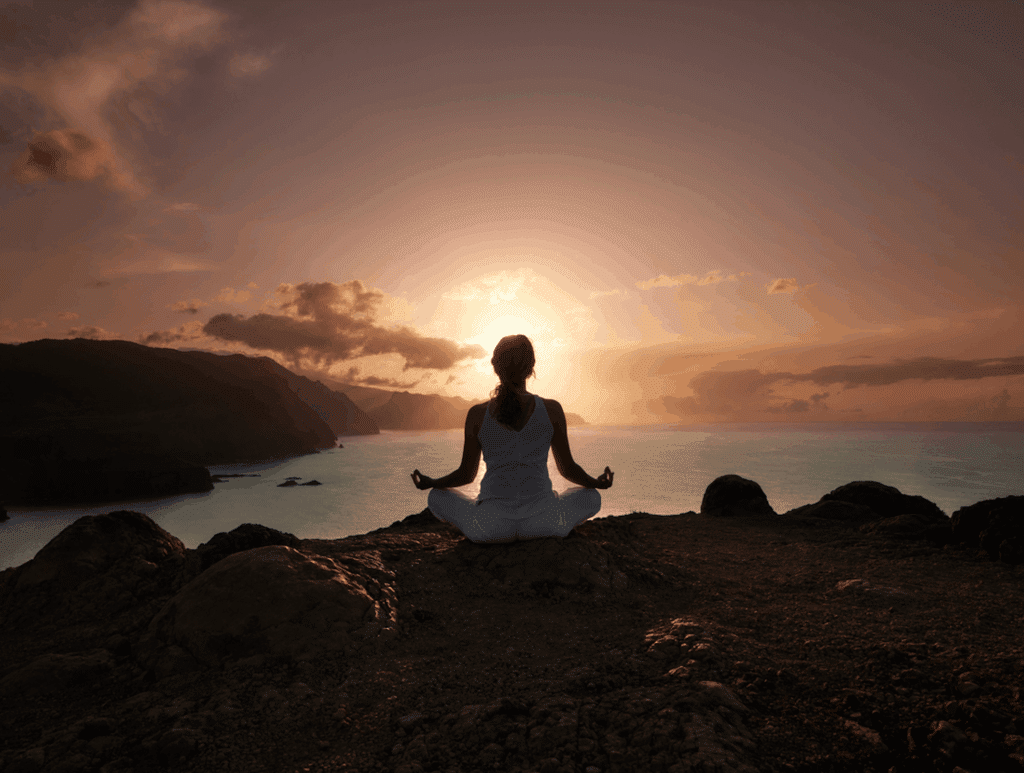
This is the non-dual wisdom of self-aware being.
Non-dual in this case means the absence of a subject-object dichotomy.
This perceived split is replaced by the insight of oneness,
an experiential knowing that reality is one interdependent whole.
It is this wisdom insight that many have described as
“realization” or “enlightenment.”
It is completely beyond the mind and conceptual understanding,
yet is self-known.
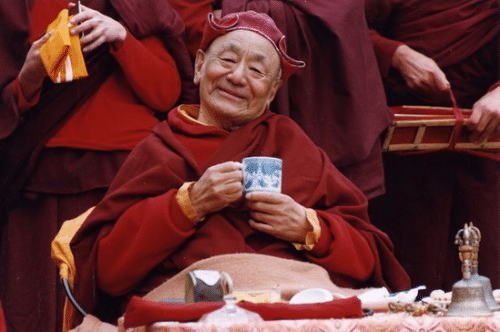
In the present moment,
when your mind remains in its own condition
without constructing anything,
Awareness, at that moment, in itself is quite ordinary.
And when you look into yourself in this way nakedly,
without any discursive thoughts,
Since there is only this pure observing,
there will be found a lucid clarity
without anyone being there who is the observer,
only a naked manifest awareness is present.
This Awareness is empty and immaculately pure,
not being created by anything whatsoever.
It is authentic and unadulterated,
without any duality of clarity and emptiness.
(From John Reynolds’s translation,
Self-Liberation Through Seeing With Naked Awareness.)
“Free and Easy,”
by Tibetan Dzogchen master, Lama Gendun:
Happiness cannot be found through great effort and willpower,
but is already present in open relaxation and letting go.
Don’t strain yourself—there is nothing to do or undo.
Whatever arises momentarily in the body-mind …
has no real importance at all, has little reality whatsoever.
Why identify with it and become attached to it,
passing judgment upon it and ourselves?
Far better to simply let the entire game happen on its own,
springing up and falling back like waves—
without changing or manipulating anything— and notice how
everything vanishes and reappears, magically, again and again,
time without end.
Only our searching for happiness prevents us from seeing it.

It’s like a vivid rainbow which you pursue without ever catching,
or a dog chasing its own tail.
Although peace and happiness do not exist as an actual thing or place,
it is always available and accompanies you every instant.
Don’t believe in the reality of good and bad experiences;
they are like today’s ephemeral weather, like rainbows in the sky.
Wanting to grasp the ungraspable, you exhaust yourself in vain.
As soon as you open and relax this tight fist of grasping,
infinite space is here—open, inviting and comfortable.
Make use of the spaciousness, this freedom and natural ease.
Don’t search any further.
Don’t go into the tangled jungle looking for the great awakened elephant
that is already resting quietly at home in front of your own hearth.
Nothing to do or undo, Nothing to force, Nothing to want,
and Nothing missing.
Emaho! Marvelous! Everything happens by itself.
It’s important to realize that in Zen, Dzogchen, Mahamudra,
and Advaita teachings, there is no concept of someone
“achieving” enlightenment or an enlightened state.
Rather
it is simply recognizing that one’s awareness has always been fully enlightened
and then living as the awareness he or she has always been but did not recognize.
In Mahamudra,
that condition is also called the natural state.

It is our primordial condition, which never changes,
like the sky never changes while all the changing clouds and weather come and go.
Here are some quotes from masters of Essence Mahamudra:
Kalu Rinpoche:
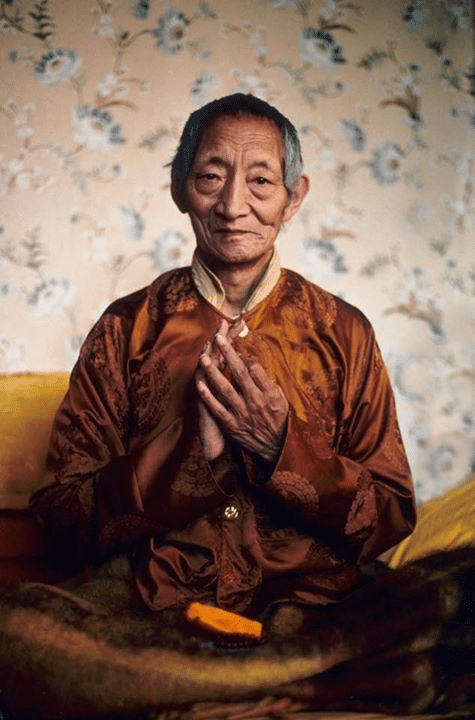
Mind is poised in the state of bare awareness,
there is no directing the mind.
One is not looking within for anything;
one is not looking without for anything.
One is simply letting the mind rest in its own natural state.
The empty, clear and unimpeded nature of mind can be experienced
~
if we can rest in an uncontrived state of bare awareness
without distraction and without the spark of awareness being lost.
From Niguma, the great female master of Mahamudra:
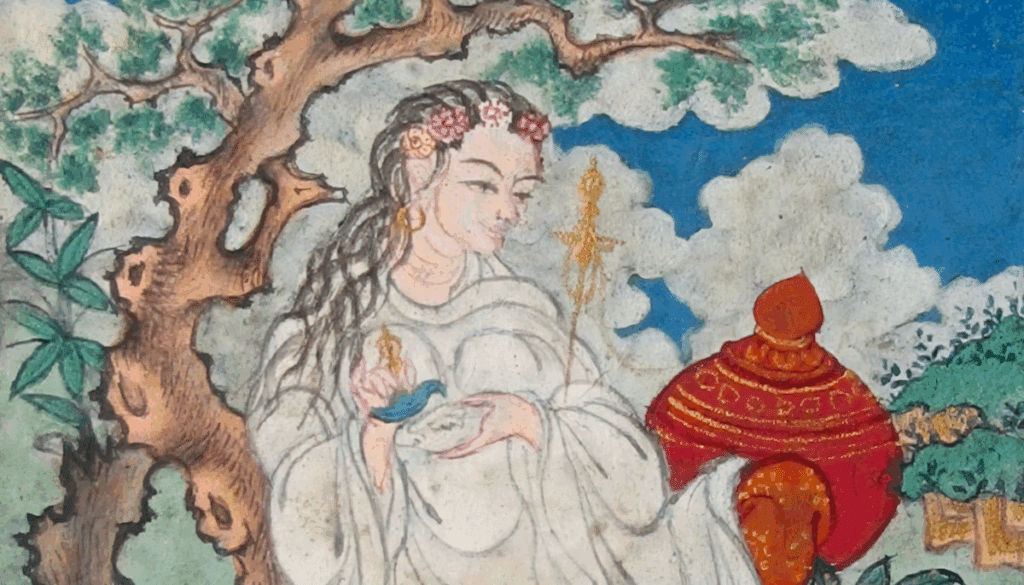
Don’t bring anything to mind, Be it real or imagined.
Rest uncontrived in the innate state.
Your own mind, uncontrived,
is the body of ultimate enlightenment.
To remain undistracted within this,
is meditation’s essential point.
Realize the great, boundless, expansive state.
From Maitripa:
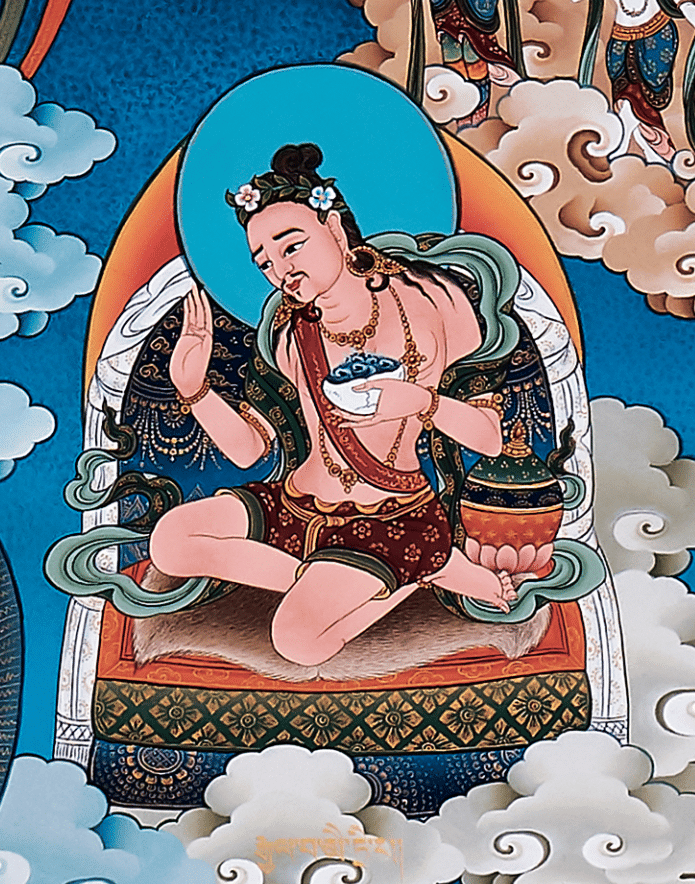
Clarity without thought is like space.
Appearances, without substance, are like the moon on water.
Clarity without clinging is like a rainbow.
Like a young lover’s pleasure, it is indescribable.
This is not localized and exceeds all bounds.
From Tilopa:

Don’t recall. Don’t imagine. Don’t think. Don’t analyze. Don’t control.
Rest.
~
There is also a non-Buddhist tradition that also offers
a “sudden insight” approach called Advaita.
Its teachings can be traced to the ancient Indian Vedas and Upanishads.
The Advaita enlightenment known as self-realization
can be transmitted by a teacher directly as is done in Zen and Dzogchen.
Students dialogue with a teacher,
either in a one-on-one meeting or a group meeting called a Satsang.
However,
pure Advaita per se does not offer any particular meditation methods or practices
beyond self-inquiry.
In this way its philosophical position is similar to Dzogchen
in that it is understood that one’s enlightened awareness is already fully present.
It is only the seeking ego that blocks our knowing of what is already
the natural condition of our being.
We need to get out of the way of ourselves, so to speak,
and no practice or meditation is needed for that,
just a clear insight into what’s going on.
That insight is catalyzed by direct discussion with an Advaita teacher
or by reading and studying some pith instructions by various Advaita masters.
In recent times two great teachers of Advaita have
written and taught extensively on the topic.
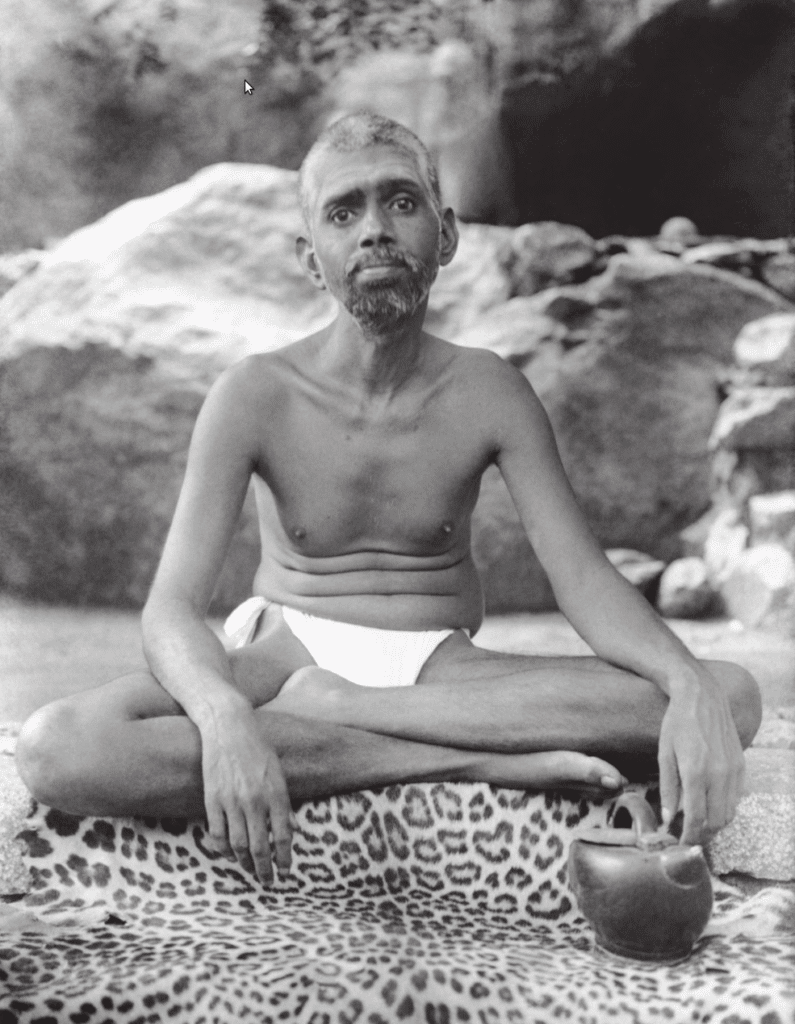
One is Nisargadatta
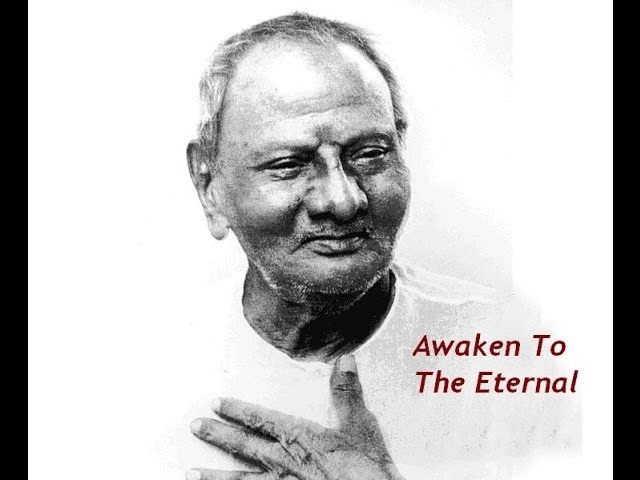
and the other is Ramana Maharshi.

Both are from India and have since passed away.
Students can gain wonderful and profound insights from
reading their pithy quotes and texts.
Both Advaita and Dzogchen in that sense are relying on
the intrinsic wisdom already fully present within our own consciousness.
No practices are required to recognize this wisdom because
practices and methods are only further interferences with
the direct perception that recognizes itself.
To do a practice one needs a doer of the practice.
In Advaita this is a key teaching.
To engage in practice is considered empowering the ego,
the imaginary doer,
further in its various activities of grasping and striving
for some ultimate state of bliss or enlightenment.
When the ego as the mind’s sense of personal identity falls away,
all that’s left is enlightened Awareness, our actual beingness,
which has been there all the time.
As Awareness,
we were just expressing a moment of ego experience
as another variety of experience.
As an aside,
there is a Western phrase I heard in recent times:
“Its not that we are a humans having spiritual experiences,
but rather we are spiritual beings having human experiences.”
Quotes from two twentieth-century Advaita masters:
Awareness is ever there. It need not be realized.
Open the shutter of the mind, and it will be flooded with light.
~
First we must know ourselves as witnesses only, dimensionless
and timeless centers of observation, and then realize
that immense ocean of pure awareness which is both
mind and matter and beyond both.
The personality gives place to the witness,
then the witness goes and pure awareness remains.
~
There are no steps to self-realization.
There is nothing gradual about it.
It happens suddenly and is irreversible.
Just like at sunrise you see things as they are,
so at self-realization you see everything as it is.
The world of illusions is left behind.
Put your awareness to work, not your mind.
The mind is not the right instrument for this task.
The timeless can be reached only by the timeless.
Your body and your mind are born subject to time;
only awareness is timeless, even in the now.
(From: I Am That, by Sri Nisargadatta Maharaj. Published by Chetana, Bombay, 1992)
Fukanzazengi by Eihei Dogen, of the Soto Zen sect, thirteenth-century Japan:
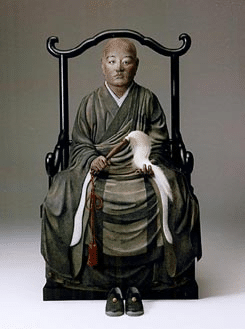
The Way is in essence perfect and pervades everywhere.
How could it be dependent upon what anyone does to practice or realize it?
The movement of Reality does not need us to give it a push.
Do I need to say that it is free from delusion?
The vast expanse of Reality can never be darkened by the dust of presumptions.
Who then could believe that it needs to be cleaned of such dust to be what it is?
It is never separate from where you are,
so why scramble around in search of it?
You should therefore cease from practice based on intellectual understanding,
pursuing words and following after speech,
and learn the backward step that turns your light inwardly to illuminate your self.
Body and mind of themselves will drop away,
and your original face will be manifest.
If you want to attain Suchness (True Nature),
you should practice Suchness
(Being your True Nature) without delay.
~
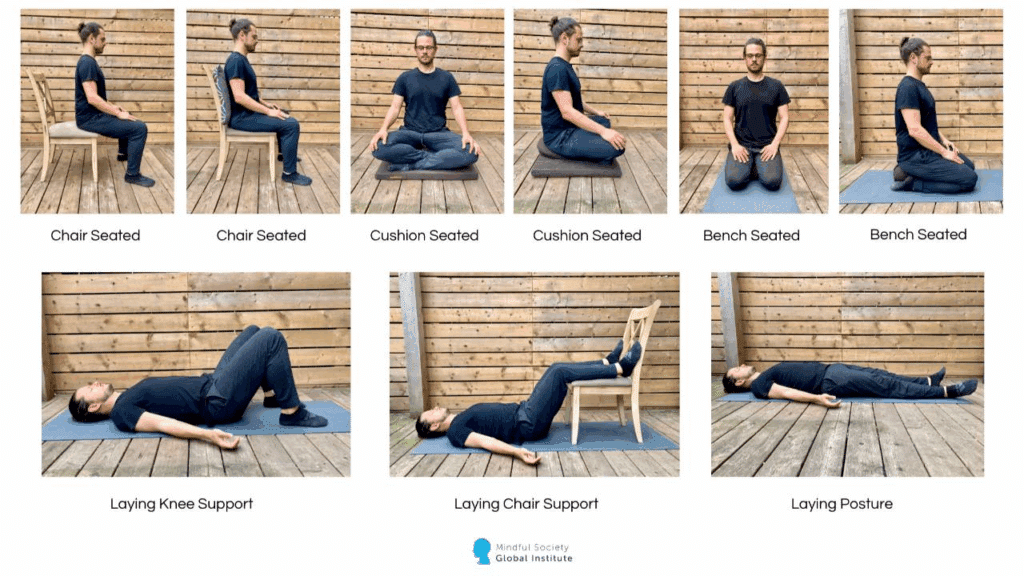
let’s examine a basic description of meditation.
Basic meditation is comprised of sitting on a cushion on the floor or on a chair,
but in both cases you should try to keep your spine straight, yet not tense.
You can arrange your hands comfortably on your thighs or knees.
At first,
you can close your eyes and focus on noticing your incoming and outgoing breath.
After a few minutes,
open your eyes and focus on a point on the floor about four or five feet in front.
Try to keep your eyes still, but it is okay to blink.
Notice your breathing as before.
Your focus is on the point on the floor,
but especially notice the feeling of the air passing in and out of your nostrils
and the filling and emptying of the lungs as you breathe naturally.
If you seem a little dreamy and full of thoughts,
focus your concentration a bit more.
If you feel agitated,
make the room darker or close your eyes and try to slow your breathing
with much deeper and slower out breaths.
~
Find a comfortable balance between the right amount of focus
and the right amount of looseness.
When you focus your eyes on a point or small object in front of you,
it actually slows down your stream of thought.
This has been noted by neuroscientists studying the effects of meditation.
Taking slow, full deep breaths and expanding your lungs to full capacity
for several minutes stimulates cells called baro-receptors in the lung tissue.
This triggers the parasympathetic nervous system to release chemicals
that neutralize the effects of adrenaline,
producing real relaxation on a biological level.
~
Slow deep breathing for ten minutes or so stops or lessens panic attacks as well.
A key element of breath practice is to make sure the out-breath
is much slower than the in-breath.
You should have no mental agenda in mind when meditating.
You should not be thinking of reducing thinking.
You are just observing,
like a mirror or video camera.
A video camera has no ability to judge or analyze what it records.
Just sit in pure observingness.
If there is any effort,
let it be the subtle preference of being in the “now” of immediate sensory experience,
as opposed to drifting off into thoughts and daydreams.
~
If you are too tired to be in a state of natural and relaxed mental clarity,
take a nap and try again.
Don’t fight sleepiness;
it’s usually a waste of time.
If you are too agitated to sit peacefully,
take a walk and try again later.
When your mind is too busy,
it can be helpful to focus on noticing your breathing
and mentally count your breaths from one to ten again and again until you’re calmer.
At that point,
drop the counting and just remain aware of your breathing.
When your mind becomes quiet and almost still,
you can drop the focus on breathing and just float in vivid and alert “now-ness.”

This state is called naked awareness;
the awareness is not clothed in thoughts, mental images, or emotional states.
We simply reside as this naked awareness
and continue in this condition after our sitting session for as long as possible.
Our goal is to allow that naked awareness
to be our normal basis of cognitive life throughout the day and night.
Thoughts, mental images, and emotional states will arise,
but they are experienced from the perspective of our naked awareness
instead of our being subjectively centered in our stories.
If you find that a particular mental topic or group of topics
keep appearing annoyingly in your mind,
there is a way to dissolve the mental distraction.
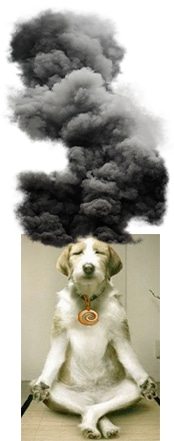
As you notice your breathing, imagine on the in-breath
that the thought in your mind,
like a little cloud of thought energy in your head, joins up with your breath at your nose,
exits with the out-breath, and dissolves into the space in front of you.
Then on the in-breath,
notice if you have another thought in your mind, and repeat the process
until the troublesome thoughts no longer remain in your mind.
A sitting meditation session should last twenty to forty minutes.
If meditating as I’ve described is very difficult,
you can work up to twenty minutes with five-minute sessions
and a short break between each if necessary.
~
I recommend daily sessions while giving this practice outline a try.
Advaita master Sri Maharaj Nisargadatta recommends:
As long as you are a beginner certain formalized meditations,
or prayers, may be good for you.
But for a seeker for reality
there is only one meditation;
the rigorous refusal to harbor thoughts.
To be free from thoughts is itself meditation.
You begin by letting thoughts flow and watching them.
The very observation slows down the mind till it stops altogether.
Once the mind is quiet, keep it quiet.
Don’t get bored with peace, be in it, go deeper into it….
Watch your thoughts and watch yourself watching the thoughts.
The state of freedom from all thoughts will happen suddenly
and by the bliss of it you shall recognize it.
(From I Am That, by Sri Nisargadatta Maharaj. Published by Chetana, Bombay, 1992.)
~
Too often in my experience,
I have found that Western seekers try to “think” their way to enlightenment.
Often the cognitive impediments blocking realization are grounded in
blockages and imbalances within the inner subtle body.
These seekers may have brilliant intellectual insights that may be quite convincing,
but they are almost always short-lived.
The mind reverts to a pattern embedded deeply within the inner energy body
until those patterns are released and transformed.
For those who want to practice very simple energy practices,
the appendix contains a gradient of practices that anyone could find useful.
~
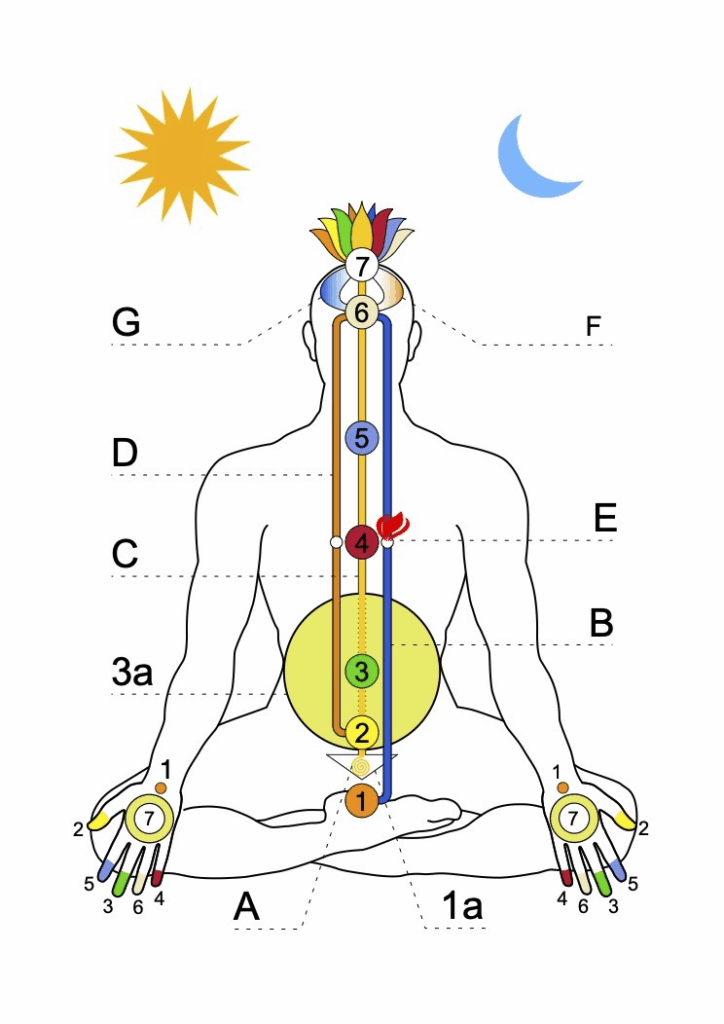
Let’s take a look at the anatomy of the subtle inner body,
which will be relevant to our practice.
The pattern I discuss is essentially the same in traditions such as Tibetan Buddhism, Yoga, Zen, Taoism, Sufism, Kabbalah, and Native American traditions.
To begin with, the traditions teach that we have an inner energy
that flows through subtle channels in the body.
This inner energy has many different names depending upon the tradition.
In Yoga, this energy is called prana.
In Tibetan Buddhism, it is called lung or “energy wind.”
In Taoism and traditional Chinese medicine,
it is called chi and is the main focus of acupuncture, as I mentioned above.
In Japanese Zen and martial arts, it is called ki (chi, Qi).
The most universally used term is probably prana, from the Hindu Yoga traditions.
However,
I will use the model for the architecture of the inner body
as described mostly from the Tibetan traditions.
Going further with our model of the subtle energy body,
it is important to understand why we are so interested in developing this
inner energy in the first place.
There is a very concentrated subtle energy mostly located at the base of the spine
known as kundalini.
In Tibetan it is called thigle.
It is a very pure form of chi or prana.
Kundalini is also located in the center of all the chakras
with an abundance at the center of the crown chakra.
The entire goal of the subtle energy body practices is to
activate kundalini energy at the base of the spine
and bring it through the central channel to the crown chakra.

If you imagine the crown chakra as the blossom of a lotus flower
and the central channel as the stem of the lotus,
you could consider the kundalini as the sap that rises from the roots of the lotus
at the base of the spine to the blossom at the top.
Normally the lotus is closed and the sap doesn’t flow upward.
But in these practices we encourage the upward flow of the sap
into the lotus blossom that causes the blossom to fully open.
In Hindu yoga the crown chakra is considered to have one thousand petals.
When the crown chakra opens fully,
you experience total enlightenment automatically.
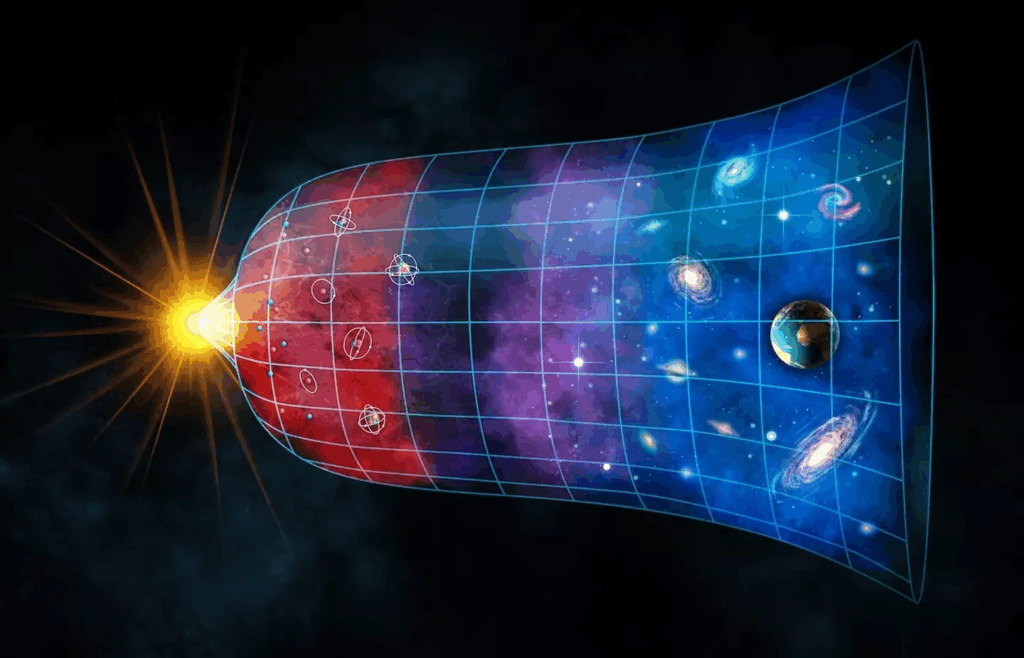
The entire universe is a hologram.
We perceive this directly to be
the actual nature of all reality,
including ourselves and all beings.
This is because the energy of consciousness that makes up our sense of
being a material and individualized self has realized its own transparent emptiness.
Awareness is recognized to be a space –
like emptiness devoid of any material substance.
When you perceive this in a substance or spiritual insight, reflexively
you understand that the entire field of experience is also a transparent energy display.
Physical reality appears as an all-inclusive transparent hologram
shimmering in crystal-like patterns of its own luminosity.
The experiential tone is one of sheer delight,
the conscious quality of its own self-knowing.
This is an actual experience of “oneness” or non-duality
that erupts into consciousness spontaneously
and is quite beyond the ken of the intellect to grasp or imagine.
In fact,
this wisdom is only known when the intellect and conceptualizing mind
are completely absent and inoperative.

The reason you experience oneness with all of reality,
is because you are no longer one small and separate piece of reality.
As long as you’re something, you can’t be nothing.
Until you are nothing or empty awareness in experiential knowledge,
you can’t be everything.
The emptiness of your form is the form of your emptiness.
This is the core of the enlightened wisdom insight that occurs on the
full activation of the crown chakra.

We could use the example of an ice cube in a bowl of water.
As an ice cube,
the water has taken on the appearance of individuality.
But when the ice cube melts,
the identity is now the entire bowl of water.
This is the enlightenment experience.
You are this vast and borderless ocean of pure consciousness
that appears as this or that apparent form.
But ultimately
all forms are just forms of consciousness;
the ice cube is never not the formless water.
First, you need to sit in an upright position.
I (rog) preferr to sit upright, propped up with many support pillows so that the spine is alinged up & down and comfy enouh to sit for many hours.
You can do this while sitting a bit forward on a chair so as to
get the posture of the spine as straight as possible.
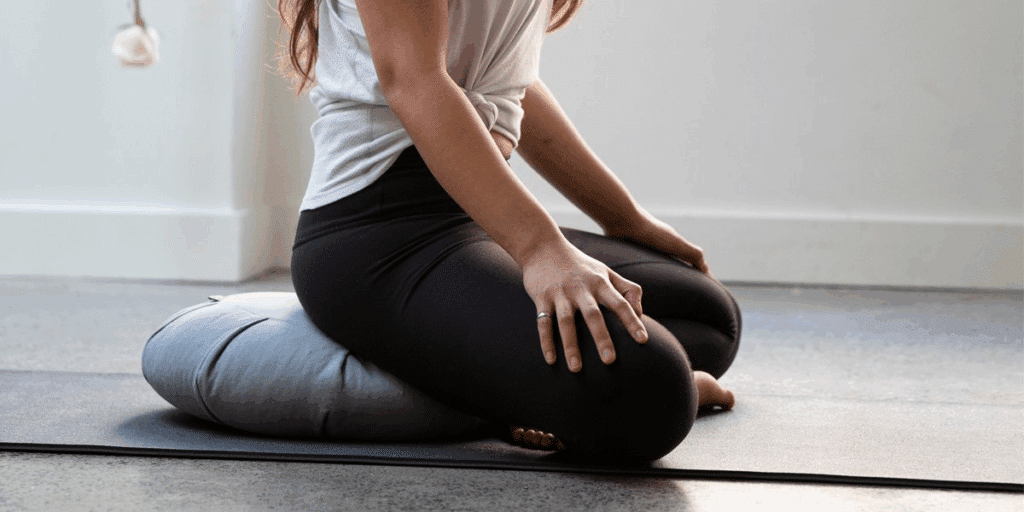
I (Jackson) prefer sitting on a cushion on the floor yoga style.
How you arrange your legs is not so important;
just be in a stable position.
Rest your hands comfortably on your legs as you like.
Your spine must be straight.
Close your eyes and notice your breathing.
Feel the breath as it passes in and out of your nose,
and notice how your lungs expand and relax with each breath.
Next,
sense the central channel running from the bottom of your spine to the fontanel.
You don’t have to visualize it clearly,
just sense that there is an energy channel running in the spinal column
from bottom to top.
Focus on the top most point of your head,
slightly behind the center of the skull.
You can locate the fontanel with your finger.
It may feel like a small indentation or soft spot on the skull.
Imagine an energy center there that vibrates subtly at the fontanel,
perhaps an inch or two below, within the brain.
At some point your attention settles on this correct location naturally,
so don’t worry about getting it just right.
Just focus on the general area.
Once you sense some sort of energy movement that holds your attention,
you have located the crown chakra.
Now focus on that energy point for as long as comfortable,
at least five minutes or so.
Remember,
you don’t have to visualize or imagine anything,
just focus your attention on the general location.
The crown chakra is present in everyone; you just have to notice it.
Once you notice it, it should feel like a slight vibration or energy pulsation.
Keep that as your point of reference.
Try to keep your attention on that point as often as possible
throughout the day and evening, especially when about to fall asleep.
Try to do twenty minutes of sitting meditation every day with only this practice.
Once you have success in locating the crown chakra,
your meditation should bring about a slightly altered state of consciousness,
more relaxed and calm.
At times you feel like you could remain focused on the crown chakra or fontanel
for hours because it’s so pleasant.
By all means, continue as long as it’s comfortable.
A key aspect of practice is to allow tension to release
and to find total relaxation of body and mind.
By relaxing completely yet remaining vividly alert,
the inner channels and chakras open fully,
allowing a very pleasant sensation to pervade the entire body.
Your state of mind will be expansive and serene.
By engaging in the practice as described above,
the entire inner subtle energy body becomes toned and activated.
Again,
this is just a brief introduction to the energy body practices.
A complete description along with some initial preparatory exercises
that may be necessary are in the appendix titled
“The Main Subtle Body Practice Sequence.”
Let’s summarize and bring all three of these approaches into a relational context.
At first,
you may try to find your enlightened nature within your own consciousness.
You may receive a pointing-out instruction regarding
the nature of changeless awareness.
However,
you may only understand intellectually that your identity is not the body or mind.
But there is no total shift in perspective.
This gives you a certain degree of relaxation,
as though the intellect has acquired its goal of understanding and can now relax.
But that intellectual insight does not drive deep enough into
the energy contraction remaining in the subtle body and physical body,
so it is short-lived.
There was just a flash of insight but no total transformation of the
self-contraction and mind.
By recognizing that subtle flash again and again,
and learning to rest in the naked observing-ness in all experience,
thoughts and mental engagement become calmer and less captivating.
As a result
your inner subtle body of chakras, channels, and subtle energy
called chi or prana begins to relax and expand.
It is the energy contraction within the inner subtle body
that gives the feeling of being a localized self within and as a body.
We’re not talking about the concept of self now,
we are talking about how it feels on a sensory level.
When the inner subtle body relaxes, because the mind relaxes,
we experience a feeling of expansiveness, greater clarity,
and emotional well-being.
Understanding gives us insight but may have no effect on the
feeling tone of inner experience.
~
You might get it intellectually,
but there’s no positive improvement in how you feel.
Hence,
meditation may help in bringing your mind into a calm state,
and that is a good thing because the rest follows organically.
When you recognize this directly,
you simply continue recognizing this essential nature of our awareness,
this pure observing.
You relax completely all efforts to grasp or resist experience.
You just notice that this clear awareness is always present under all circumstances.
When fully recognized in a totally relaxed condition, yet vividly alert,
you will experience an open, clear state of peaceful and enjoyable presence.
In this condition you continue throughout the day to integrate your natural presence
within all activities and experiences.
As time goes by,
you spend more and more time in rigpa awareness
rather than in thinking and imagining.

Rigpa awareness becomes clearer and less personal as the sense of me also dissolves,
like just another cloud in the clear sky of pure awareness.
You are in touch with the here and now,
and being so enhances your competence in all actions that you perform.
These are the most essential aspects of Dzogchen practice.
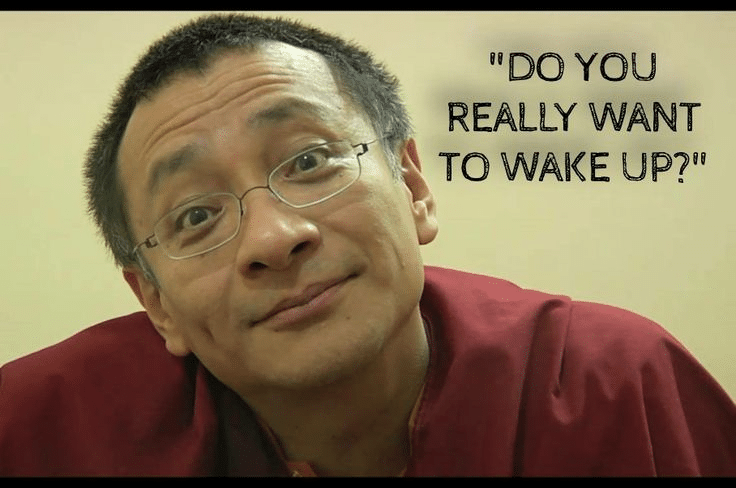
Dzogchen master Ponlop Rinpoche taught:
Our mind is primordially in the state of Rigpa (Knowing Awareness).
Whatever state of mind we go through,
whether it is a very heavy experience of ignorance or
a very outrageous emotion of anger, we have never moved from the state of Rigpa.
Our mind has always been in the state of Rigpa,
but we don’t realize it all the time.
In other words,
you practice leaving your awareness empty and clear to experience
without intentionally filling it with mental content such as
judging, evaluating, resisting, or grasping.
Eventually you will no longer feel a separation between awareness
and its field of experience.
That is the non-dual state of realization.
